The world as their classroom: learning through field trips
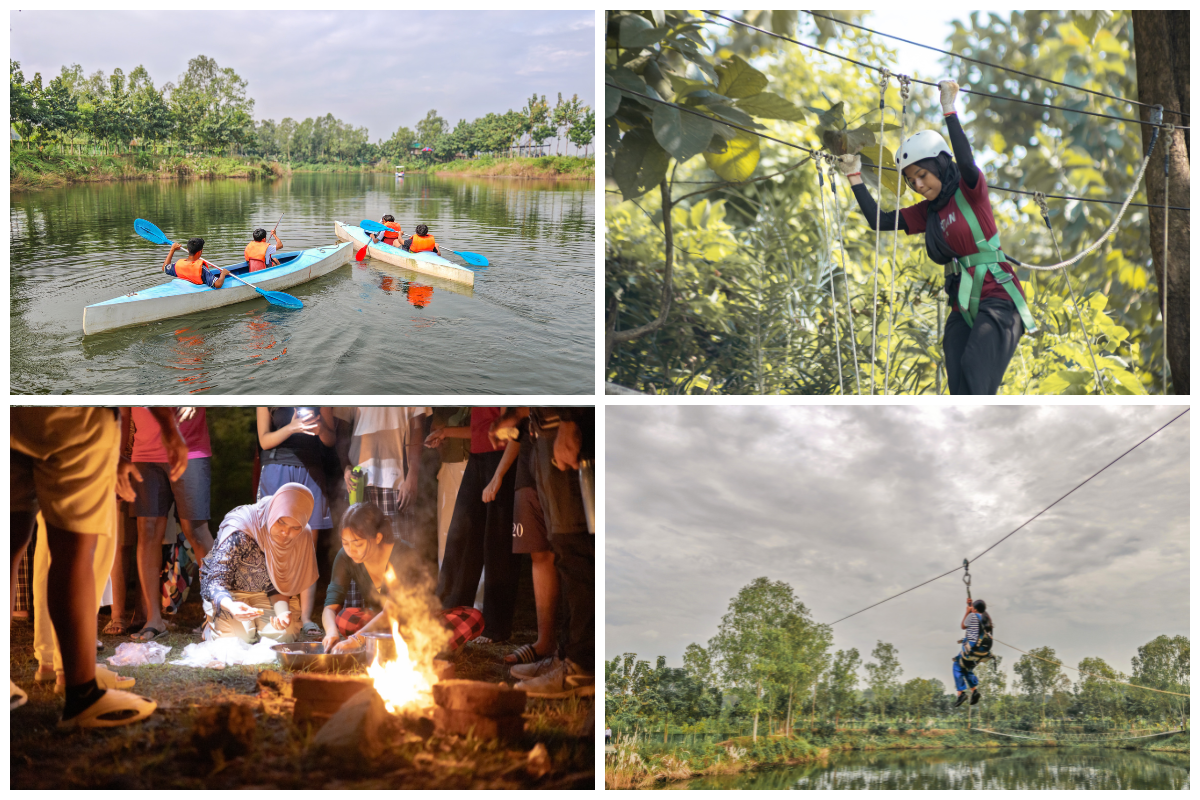
Excitement filled the air across the Aga Khan Academy Dhaka as students from Grade 6 to Diploma Programme (DP) 2 packed their bags and set off on grade-level field trips, which took learning far beyond the classroom. Though the destinations varied from forest camps to cultural centres, the purpose remained the same across all grade levels – to learn through adventure, reflection and meaningful connection. Each journey offered students the chance to grow academically, socially and personally, in line with the holistic ethos of the Academy’s academic programme.
The adventure began with Grade 6 students at the Air Force BASECAMP in Dhaka. Activities such as treetop walks, archery and ziplining encouraged them to step outside their comfort zones. Back on campus, the experience continued with creative workshops led by Ogopogo Animation Studio, followed by a visit to the Bangladesh National Museum. Moving between physical challenges, artistic expressions and cultural explorations, students strengthened their communication and collaboration skills while discovering the joy of inquiry.
Carrying that creative spirit forward, Grade 7 students immersed themselves in the colourful world of rickshaw art, exploring how crafts and storytelling reflect local culture. They also enjoyed an overnight stay at the Academy, cooking dinner together and gathering around a campfire – an experience that nurtured independence, teamwork and community in one unforgettable evening. The following day, they headed to the Air Force BASECAMP, where curiosity took flight as they learnt about aviation and history.
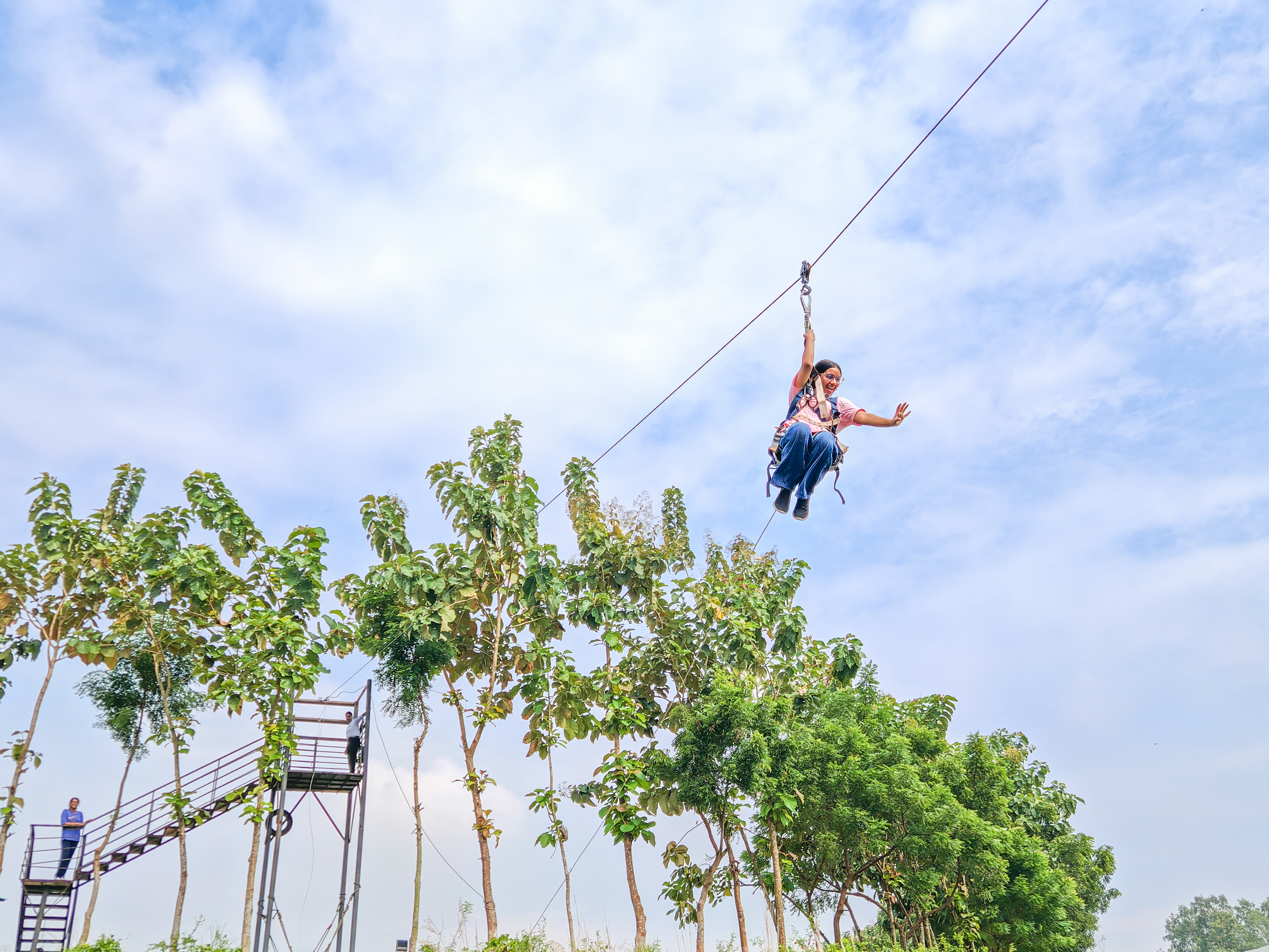
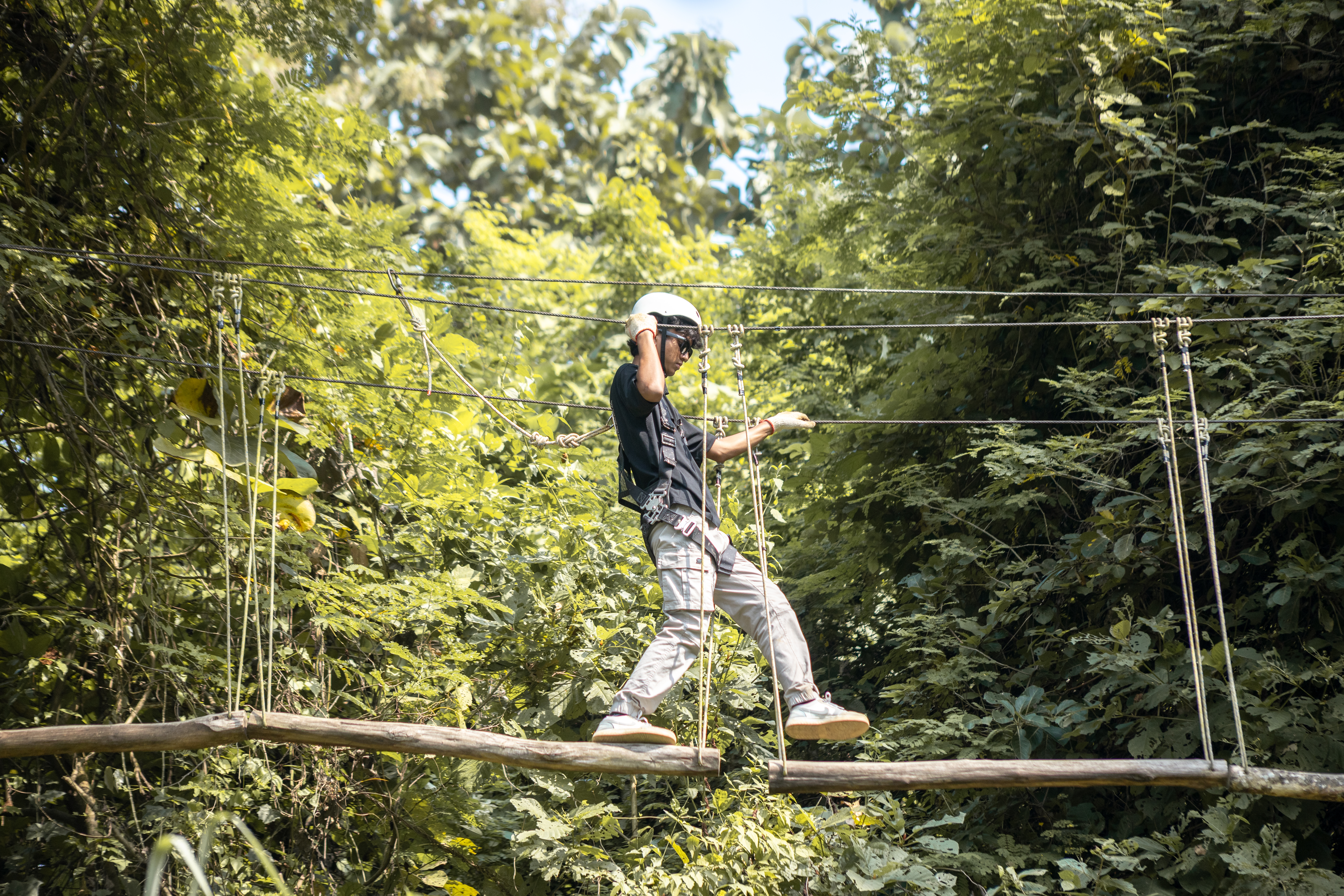
Grade 8 students spent two energetic days at the BASECAMP. Obstacle courses, high ropes and mud trails challenged both their minds and bodies, encouraging students to rely on one another and strengthening their leadership and cooperation skills through shared effort.
“I learnt to collaborate better because we had plenty of team-based activities,” said Grade 8 student Ruhaim Humaid Farooq. “Those same tasks gave me room to step up and show my leadership.”
That same spirit of resilience carried into the Grade 9 trip to Dera Resort in Manikganj, where kayaking and ziplining encouraged students to embrace challenges with confidence. Evenings filled with music, shared meals and a student-led talent show elevated creativity and reinforced community.
Further south, Grade 10 students spent three days at Foy’s Lake in Chattogram. Kayaking, paddleboarding, treetop walks and team activities helped them develop leadership, adaptability and trust. Surrounded by nature, they reflected on how personal growth often emerges when stepping beyond the familiar.
The journey concluded with DP1 and DP2 students’ trip to Mati Ta Resort, where a slower pace encouraged balance and self-awareness. Yoga sessions, sustainability workshops and treetop challenges invited reflection on both personal well-being and responsibility towards the environment. These experiences offered the students with a space to reconnect with nature and each other during a demanding academic phase.
“The trek and treetop activities pushed me out of my comfort zone,” said DP2 student Nibhrito Naziul. “I built confidence, resilience and stronger connections with my peers and with nature.”
Educators also observed that these trips created powerful moments of learning that could not be replicated in a classroom setting.
“Watching students as they laughed, explored and supported one another served as a powerful reminder that true education extends beyond textbooks,” said Creativity, activity, service (CAS) Coordinator Ms Munira Karim. “These trips not only strengthened friendships but also fostered responsibility, teamwork and a deeper appreciation for the world around them.”
The grade-level trips of 2025 were more than excursions – they were journeys of transformation. From the forest camps to lakesides, art studios to river crossings, students discovered that real education is not only about knowing – it is about becoming.



publications
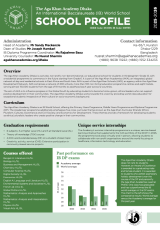
AKA Dhaka IB School Profile 2025-2026
You can also keep up-to-date with latest news on the Aga Khan Academy Dhaka on our Facebook page.